Marine Detailing: Freshwater vs. Saltwater Care
Boats age in dog years when the maintenance misses the mark for the water they run. Freshwater and saltwater don’t punish materials the same way, and the detailing routines that keep gelcoat crisp, canvas tight, and metal bright diverge more than most owners expect. I have worked on lake cruisers that looked showroom new after a decade, and I have seen 18-month-old center consoles with pitted rails and a chalky hull because the owner used a lake playbook in a coastal slip. The difference starts with chemistry, then pulls everything from wash technique to ceramic coating selection into its orbit.
This is a practical map of what changes between freshwater and saltwater care, why those differences matter, and how to set a maintenance cycle that fits your boat and your schedule. I will touch on choices like paint correction on gelcoat, interior coating for mildew defense, wheel coating analogs for marine metal, and how mobile detailing workflows adjust when the marina or driveway imposes constraints. Along the way, I will share what has stuck for us at On the Spot Mobile Detailers when we move between inland lakes and coastal marinas.
What freshwater leaves behind
If you’ve trailered a runabout home from a summer weekend on a lake, you have seen the thin film that dries to a dull crust. That’s mineral content, mostly calcium and magnesium, sometimes iron. It cements itself into pores in gelcoat and into the texture of vinyl and rubber. On white boats it shows as spots and a subtle gray veil. On dark hulls, it reads like a uniform haze even after a quick wash.
In freshwater, the enemy is deposition. Minerals settle, environmental fallout sticks, and biological growth can establish itself on the wetted surfaces if the hull sits in the water. Interior fabrics and headliners tend to mildew where air circulation is poor, particularly after a weekend of wet gear and closed hatches.
The care plan leans on chelation and pH control. A neutral or slightly acidic wash helps break mineral bonds without stripping wax in a single go. Spot treatment with dedicated water-spot removers saves you from over-scrubbing sensitive areas like isinglass. Abrasives should be the last resort because gelcoat is a finite resource, and every aggressive pass thins it down. I keep vinegar-based spray in the caddy for immediate post-lift wipe downs, used sparingly, followed by a proper shampoo wash. Done within an hour of haul-out, it reduces later need for paint correction by half.
What saltwater eats
Salt is a conductor, and it’s hygroscopic. It holds moisture against metal and finishes, pulling oxygen to the party. Left in place, it accelerates galvanic reactions between dissimilar metals, pits aluminum, blooms rust at the first nick in stainless, and creeps into electrical connectors. On gelcoat it doesn’t etch the way acid rain can, but the salt crystals grab grime and abrade during contact washes, creating fine marring that dulls the shine. UV exposure tends to be more intense on open water, so oxidation climbs faster.
In saltwater, the enemy is corrosion and abrasion. Rinsing is non-negotiable, ideally with copious freshwater as soon as you tie up, then a structured wash after engines cool. The wash chemistry can stay pH neutral, but the process must push volume and dwell time to dissolve salt before any mitt touches the surface. Sacrificial layers make sense here: a topper sealant between major details, and a marine-rated ceramic coating on high-wear zones. Where freshwater care can lean on periodic deep cleans, saltwater care rewards frequent light maintenance with fewer heavy rescues.
Hull and topside finishes: choosing your protection
Boat finishes range from painted aluminum to gelcoat to painted composites. Each responds differently to mechanical and chemical stress. I have found three protection paths that adapt well to both environments, with tweaks.
-
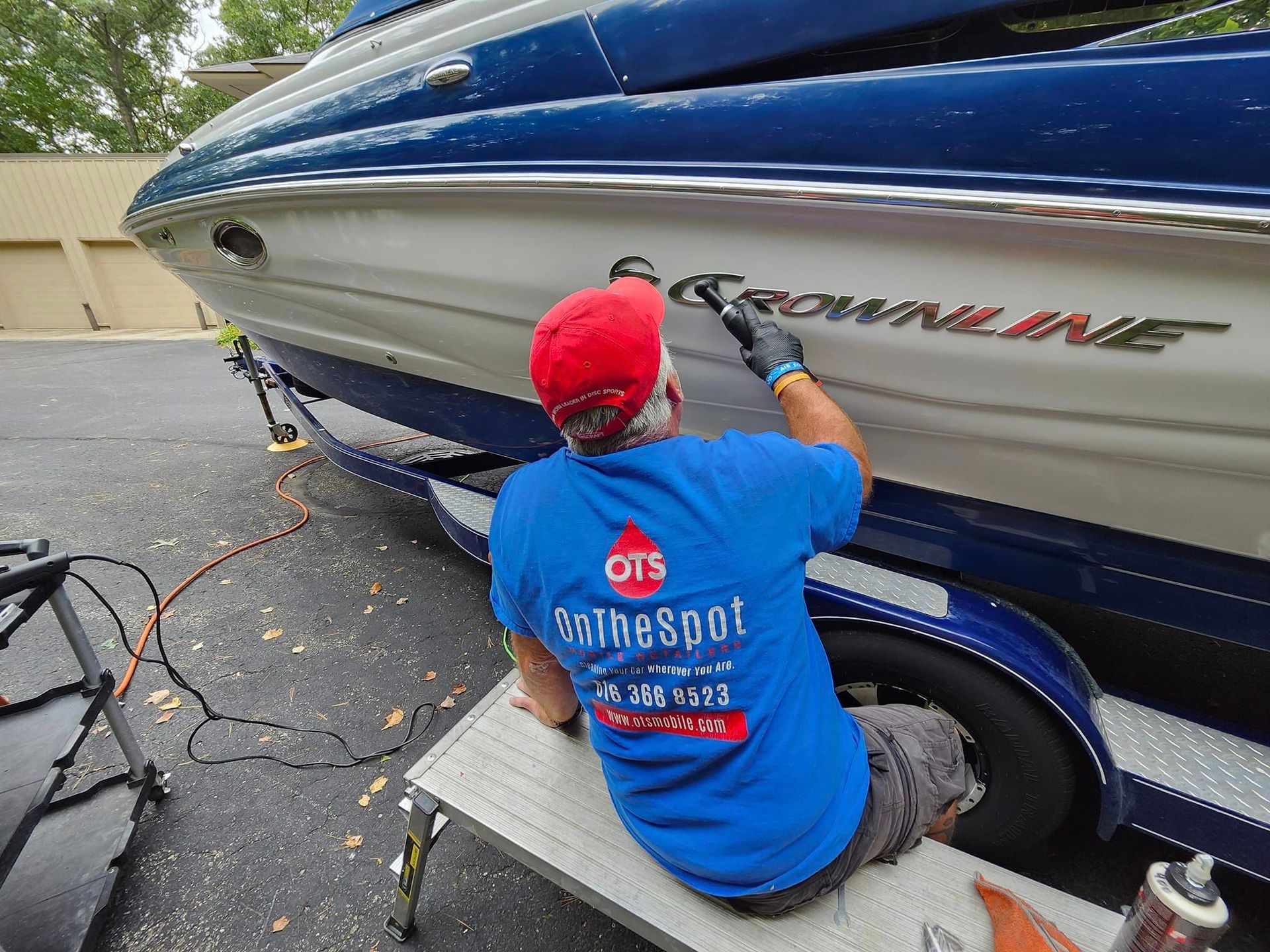
Wax and polymer sealants: Traditional paste wax lays down a warm glow and good slickness, but it fizzles quickly under salt and UV. A synthetic sealant or hybrid product will often last 2 to 3 months in freshwater, 4 to 6 weeks in salt. It’s economical and fast to refresh.
-
Ceramic coating: A properly prepped and applied ceramic coating builds a dense, hydrophobic barrier that resists salt crystallization and chalking. Not all coatings are equal. Marine-specific ceramics tolerate flexibility and UV a bit better, and they bond well to gelcoat after a thoughtful paint correction stage, even though gelcoat isn’t paint. In freshwater, a ceramic can extend true gloss retention for 18 to 36 months with light maintenance. In salt, plan on 12 to 24 months on high-exposure areas and expect to use a compatible topper every few washes.
-
Vinyl and fabric coatings: Interior coating isn’t just a car detailing trick transplanted to boats. Breathable protectants that repel water and oil without sealing the pores shut help fend off suntan lotion marks and mildew shadows on vinyl, and they make wipe-downs faster. In cabins with fabric liners, a textile coating is a real time saver.
When On the Spot Mobile Detailers sets up a ceramic coating protocol for a lake cruiser, we often do a single-stage paint correction to clear oxidation and level minor wash marring, then apply a two-layer marine ceramic to the topsides. For coastal center consoles, we sometimes add a third layer on the bow shoulders and transom, the zones that see the most spray. The difference in longevity isn’t theoretical, it shows up in the beading behavior after a windy month.
Washing tactics that respect the water you run
Washing is where most damage starts or stops. The trick is sequencing and tools, not expensive soaps. In freshwater, the goal is to break mineral bonds before mechanical contact. A low-foaming, chelating pre-spray can float minerals. After a few minutes, a soft rinse followed by a two-bucket wash with a plush mitt avoids pushing grit into the finish. If the boat lives on a lift, I encourage owners to keep a dedicated spray bottle for light spot work after outings. Less elbow grease now prevents future compounding.
In saltwater, volume and patience matter more than product. A thorough freshwater rinse should come first, bow to stern, rail to scupper, working from high to low. Keep rinsing until water sheets rather than beading with white specks left behind. Only then bring in soap. This is one of the few places where a foam cannon helps, not for drama but for coverage and dwell. The foam suspends remaining salt and dust while you gather wash tools. Contact happens last, with frequent mitt rinses. Drying with a blower followed by a high-quality drying towel avoids salt friction, and a spray sealant topper adds back slickness.
I pay special attention to non-skid decks. In freshwater, a mild alkaline cleaner and a stiff, not aggressive, brush will lift lake grime and sunscreen films without burning the gel. In saltwater, non-skid traps salt and organic slime, so periodic deep cleans with a targeted non-skid cleaner followed by a non-gloss protectant keep traction high and stains light.

Metalwork, brightwork, and corrosion control
Marine metal is where saltwater separates habits. Stainless hardware grades vary. Many production boats carry a mix of 304 and 316. In salt, tea staining can appear within weeks on 304 and at welds on 316. Aluminum T-tops and anodized rails will pit if salt dries repeatedly on them. The fix is straightforward but relentless.
Rinse, then dry. It sounds simple, but drying rails and fittings after a salt rinse removes the thin brine film that otherwise seeds corrosion. A monthly pass with a mild metal polish knocks back tea stain without thinning the protective layer. On aluminum, avoid strong acids or aggressive compounds unless you are restoring, and then neutralize thoroughly.
We use a wheel coating mentality here. A thin, heat-tolerant ceramic or silica sealant designed for high-temperature wheels in auto detailing adapts well to stainless rails and outboard brackets, provided the product tolerates marine UV and flexible substrates. The added slickness sheds salt spray, and it buys you time between wipe downs. On the Spot Mobile Detailers started trialing wheel coating products on tower rungs after a client complained about constant spotting. The difference over a month at the dock was enough that we baked it into our salt service packages.
Fasteners, hinges, and latches benefit from corrosion inhibitors that creep into seams. Apply sparingly. Too much oil becomes a dirt magnet. Electrical connectors need dielectric grease and proper heat-shrink practices, but that is beyond detailing and belongs with your marine tech.
Gelcoat correction is not paint correction, but it rhymes
Many owners use the phrase paint correction for boats, because that is the language of car detailing. Gelcoat correction is a cousin, not a clone. Gelcoat is thicker and harder than automotive clearcoat, but also more porous. It can carry oxidation deep into the surface. Heavy compounding on a chalky hull can chase a moving target, cutting and cutting without richness returning. I learned to stage correction: first deoxidize chemically where possible, then use a wool pad and a dedicated gelcoat compound for the initial bite, followed by a foam finishing pad to restore clarity. Heat control matters, especially on dark colors under sun.
In freshwater, oxidation builds slower, and correction often aligns with a spring refresh and a mid-season gloss-up. In saltwater, bow shoulders and the topside edges fade fastest. Segmenting work keeps labor rational. Tackle the hot zones more often and give the rest of the hull a gentler annual. Ceramic coating after correction locks in the gain, but only if the surface is surgically clean. Residual oils from compounds can sabotage bonding, so panel wipe is not optional.
Interior surfaces, mildew, and real-world habits
Cabin humidity is a detailer’s quiet enemy. Freshwater boats with weekend use often return to the trailer, where owners close everything and drive home. The trapped moisture wakes up mildew spores. Salt air can be drier on windy marinas, but salt residues track inside and stick to vinyl seams and stitching.
Interior coating helps, not as a miracle but as a margin. Modern protectants can resist dye transfer from shorts, block sunscreen stains, and stop water intrusion into the vinyl grain. When we coat interiors, we focus on high-touch zones, helm seats, bolsters, and any white seating where kids sit with popsicles. I test with a droplet that should bead and roll without leaving a ring. Cleaning then becomes a wipe, not a scrub, which extends the life of the material.
Bilge odors tell you as much about a boat’s habits as anything. A clean, dry bilge reduces cabin humidity. I remind owners that detailing the bilge, wiping hoses and surfaces, and flushing scuppers prevents the kind of microbial growth that no spray will fully cover. In both freshwater and saltwater, a monthly open-up day, hatches wide, fans on, cushions propped, restores equilibrium.
Trailered boats versus slipped boats
Mobile detailing workflows change depending on whether the boat is on a trailer, a lift, or sitting in a slip. Trailered freshwater boats are the easiest to keep pristine. You have 360-degree access, predictable water spotting, and a short path from lake to hose. Slipped saltwater boats demand a rinse on the dock and a plan for water access, power cords, and neighbor considerations.
On the Spot Mobile Detailers has done dockside work where we schedule around the marina’s quiet hours, bring battery-powered polishers for the bow sections, and rig soft lines to keep the boat centered. In coastal slips, we break big jobs into two visits to avoid afternoon winds that blow salt back on freshly coated surfaces. Inland, at a residential driveway, we can combine paint correction, ceramic coating, and interior coating in a single long day with better cure control. Those logistics shape results more than people think.
Headlight restoration on the water? Sort of
Cars develop cloudy headlights, and headlight restoration is a staple of mobile detailing. Boats don’t have polycarbonate headlights, but they do have isinglass, acrylic, and polycarbonate enclosures that haze and scratch. The techniques carry over with adjusted materials. I never dry-sand isinglass. Instead, I wash, rinse thoroughly, use a dedicated plastic polish with a soft pad at low speed, and finish with a plastic sealant or a compatible ceramic coating rated for flexible clear plastics. Small gains go a long way in helm visibility.
When ceramic coatings earn their keep
Ceramic coating pitches often promise five years of no-maintenance shine. Real boats say otherwise. In freshwater, a two-plus-year horizon for meaningful hydrophobics is doable with light washing and occasional toppers. In salt, aim for one to two years of strong performance on high-wash areas, with tactile slickness ebbing sooner. That doesn’t mean the coating failed. It means the surface energy rose as the top layer sacrificed itself. A decon wash and a silica spray can revive contact angles and gloss without stripping to zero.
I track performance empirically. If water sheets rather than beads at 10 to 12 weeks in salt, I plan a topper session. If beading is strong at six months in freshwater, I leave it alone. Coatings change how you wash. Less agitation, more rinsing, less aggressive chemicals. The payoff is fewer correction cycles and healthier gelcoat.
RVs, cars, and your boating life intersect
Many owners who find their way to marine detailing already care about auto detailing. The habits dovetail. A clean, coated tow vehicle makes short work of road grime after a ramp day. Wheel coating that shrugs off brake dust also resists the rusty film that salt air throws on rims in coastal towns. An RV that sits near a marina benefits from the same UV defense and wash-friendly slickness as a boat. Residential coating needs differ by substrate, but the maintenance rhythm feels familiar: light, frequent, and kind.
At On the Spot Mobile Detailers, we often schedule a combined service day. A lake client will have us wash the boat and apply a polymer topper in the morning, then do a quick paint correction and ceramic coating on the car in the afternoon. The efficiencies are real. The same wash water filtration, the same drying blowers, the same controlled curing window. It also keeps your entire rig presentable without piecemeal effort.
Case examples from On the Spot Mobile Detailers
Last summer, we managed a pair of 27-foot center consoles that lived two miles apart, one in a saltwater canal slip, the other on a lift in brackish water upstream. Both were white with light gray non-skid, stainless rails, and black powder-coated T-tops. The salt slip boat got a strict rinse protocol after every use, a weekly light wash, and a ceramic coating refresh on bow shoulders every nine months. The lift boat saw a monthly wash and a thorough mineral-spot sweep after weekends. After 14 months, the salt slip boat’s rails had light tea staining at welds that a mild polish erased in 40 minutes. The lift boat had faint mineral shadows near scuppers that needed a gentle acid spot-treat, then neutralization. The gelcoat gloss measured within a few gloss units of each other, which told me the routines worked for their environments, not against them.
In another run, a freshwater cabin cruiser stored in a residential driveway arrived with interior vinyl that showed blue dye transfer from shorts along the aft bench. We cleaned with an enzyme-safe vinyl cleaner, applied an interior coating, and set a simple rule for the owner: post-outing wipe downs with a damp microfiber and quarterly reapplication on high-touch zones. A year later, the vinyl still beaded water and the dye incidents never recurred. That same owner now trusts ceramic coating on the topsides because he saw how a well-chosen protective layer changes maintenance.
Repair versus maintenance: knowing when to escalate
Routines save you from heroics, but boats still need heavy lifts. If chalking has turned the hull matte, if you can draw a white line with your finger, correction is due. If stainless pits have broken past tea stain into roughness, you need an abrasive cycle and, in severe cases, component replacement. If isinglass looks cloudy even when wet, UV damage has altered the substrate and polishing will only marginally help.
The rule of thumb is simple. If the issue cleans with chemistry and light contact, keep it in maintenance mode. If it requires abrasion to remove the defect, consider the cost to material lifespan. Gelcoat thickness buys you correction cycles, but not infinite ones. I keep a paint depth gauge for cars. On boats, we use experience and test spots, because gel thickness varies widely. Conservative choices preserve options later.
Freshwater and saltwater checklists you will actually use
A boat owner’s to-do list can spiral. Keep it short and consistent. Here are two compact guides we give clients who want clarity without complexity.
Freshwater routine
- Rinse and wipe down within one hour of haul-out, focusing on waterline and transom.
- Wash with a neutral or slightly acidic shampoo weekly during peak use.
- Spot-treat mineral deposits with dedicated removers, then neutralize and re-protect.
- Inspect and clean interior vinyl and textiles monthly, consider interior coating on high-touch areas.
- De-oxidize and correct lightly each spring, then apply a sealant or ceramic coating.
Saltwater routine
- Rinse thoroughly at the dock after every use, dry rails and fittings.
- Wash weekly with a neutral soap, use foam for dwell, and blow-dry to reduce salt friction.
- Apply a topper sealant every 4 to 6 weeks on high-spray zones, watch beading as your cue.
- Polish light tea staining on stainless monthly, protect with a suitable metal or wheel coating analog.
- Plan segmented correction and ceramic refreshes on bow shoulders and transom annually.
How mobile detailing logistics shape results
Mobile detailing works because it meets the boat where it lives. The trade-off is environment control. Wind, sun angle, and water quality alter the outcome. Early mornings produce better finishes on black hulls because panels are cool and curing behaves. Late afternoons at coastal marinas invite dew and airborne salt. In residential settings, hard well water can undermine a wash unless you bring filtered supply. We carry deionized tanks on busy weeks to avoid spotting, and we’ll set wind blocks with tarps when buffing on a breezy dock.
On the Spot Mobile Detailers builds these realities into scheduling. If a client needs paint correction and ceramic coating on a coastal slip, we book a two-part visit, wash and correct in part one, coat in a calmer morning window in part two. Inland, with a driveway and shade, we compress the plan and deliver the same standard with less logistics. Good detailing is as much about orchestration as it is about products.
Where auto detailing lessons help, and where they fail
Car detailing habits translate well to boats in the areas of controlled wash technique, paint correction discipline, and the systematic use of protection. They fail if you assume the substrate behaves like automotive clearcoat or that interior materials handle the same chemicals. Boat vinyl doesn’t like strong solvents that a stubborn leather stain might tolerate. Non-skid hates glossy dressings. Gelcoat invites aggressive compounding but rewards restraint. And salt rewrites timelines. If you carry those differences in your head, you can keep both your car and your boat in a state that feels easy to maintain rather than fragile.
On the Spot Mobile Detailers on choosing products that survive both worlds
We test before we promise. A topper that looks phenomenal in a freshwater driveway can turn grabby after a month of salt spray. Conversely, a hardy marine ceramic can feel overkill on a trailer boat that sleeps indoors. On the Spot Mobile Detailers keeps a short list of workhorse products that tolerate both environments, then tunes layer counts and maintenance intervals based on use. For clients who split time, summers on lakes and a fall run to the coast, we adjust mid-season, often adding a sacrificial topper just before the salt weeks begin and scheduling a decon wash when the boat returns inland.
We also balance shine with safety. Non-skid decks must remain grippy after cleaning and protection. We use non-gloss sealants on these surfaces, even if a glossy Instagram deck tempts. Wet decks on a rolling sea don’t care about photos.
When to bring in a pro and what to expect
If you are already comfortable with car detailing, you can handle much of your boat’s ceramic coating routine. Where a professional team earns its keep is in correction, ceramic coating, and corrosion mitigation planning. Expect thorough prep, taped edges on powder coat, panel-by-panel correction, coating application within the product’s workable conditions, and transparent aftercare guidance. You should also see thoughtful logistics: water filtration where needed, shore power safety, and respect for marina rules.
On the Spot Mobile Detailers treats each boat as a system, not just a surface. That means aligning maintenance with how and where you run. A few hours of professional setup can save dozens later, especially in salt.
The takeaway for owners who split fresh and salt
If your boating life spans an inland lake and a coastal inlet, favor the salt plan. Salt’s penalties outrun freshwater’s annoyances. Rinse religiously, protect metals as if they were wheels on a performance car, and let ceramic coatings shoulder the abrasion load on the bow and transom. Keep freshwater mineral control in mind when you haul and store, and don’t skip interior coating on light vinyl if kids, sunscreen, and snacks are part of the picture.
Care that matches the water is the difference between a boat that looks weary after a season and one that earns second glances at the fuel dock five years in. The chemistry is not negotiable, but the work can be simple and rhythmic. Build the right routine, use the right protection, and your boat will tell you, in gloss and clean wipe-downs, that you are on the right path.